
Why Does My Cat Stare at Me? Understanding Feline Body Language
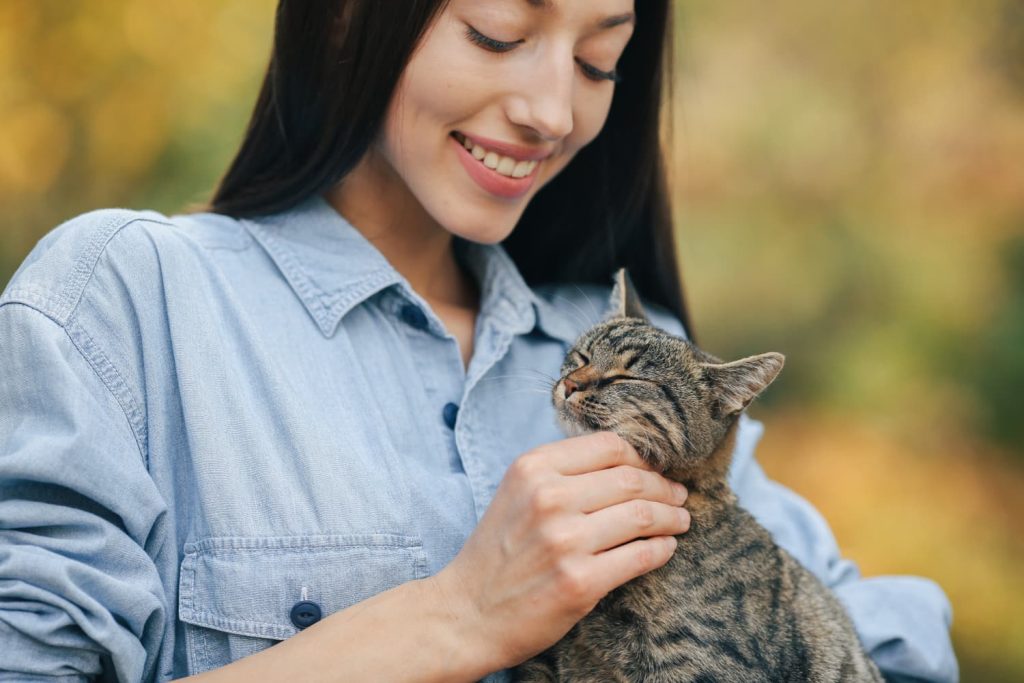
Have you ever caught your cat staring at you, their gaze steady and unblinking? It’s a common experience for cat owners, often leaving us wondering: What’s going on in their mind? Cats are masters of non-verbal communication, and their body language—especially their eyes—can reveal a lot about their feelings, needs, and instincts. This blog post will help you understand the mystery behind your cat’s stare and how it plays a key role in your bond with them.
The Ultimate Guide to Cat Enrichment: Toys, Activities, and Tips

Cats are naturally curious and playful creatures. Without proper stimulation, they can become bored or stressed, which may lead to destructive behaviors or health issues. Enrichment is the key to keeping your feline friend happy, healthy, and mentally stimulated. Whether you’re a first-time cat parent or an experienced owner, this guide will help you provide the activities, toys, and tips your cat needs to thrive.
Cat-Proofing Your Home: A Guide to Keeping Your Cat Safe and Happy

Cats are naturally curious creatures, often exploring every nook and cranny of your home. While their inquisitive nature is endearing, it can sometimes lead them into trouble. From household hazards to unsafe furniture, your home may hold hidden dangers for your feline friend. Cat-proofing your home is essential to ensure your cat’s safety and happiness while giving you peace of mind. This comprehensive guide will help you create a safe, stimulating, and cat-friendly environment.
Why Do Cats Knead? The Science Behind This Adorable Behavior

If you’re a cat parent, you’ve probably experienced the sweet sight of your feline friend kneading your lap, pillow, or blanket. It’s an endearing and often puzzling behavior, leaving many of us wondering, “Why do cats knead?” Is it a sign of affection, a comfort ritual, or something more? The truth is, kneading is a multifaceted behavior with deep roots in both a cat’s kittenhood and its adult life. In this blog post, we’ll dive into the science behind this adorable habit and uncover why cats continue to knead well into adulthood.
The Science of Smell: Why Some Pets Refuse Certain Foods

If your pet has ever turned their nose up at their food bowl, the reason might be simpler than you think—it’s all about their sense of smell. Pets like dogs and cats have incredibly powerful noses that influence their eating habits far more than their taste buds. In fact, a pet’s sense of smell can be up to 100,000 times more sensitive than a human’s, making aroma a critical factor in food preferences. In this blog post, we’ll dive into the fascinating science behind why some pets refuse certain foods, how smell impacts their choices, and practical tips to encourage them to eat.