
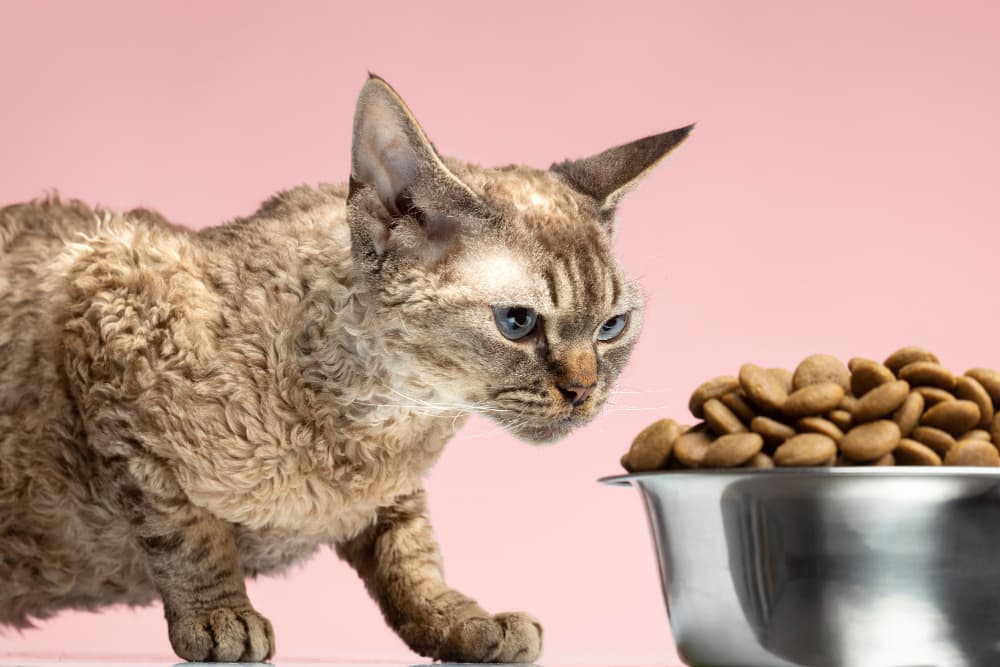
When it comes to feline nutrition, few nutrients are as critical as taurine. This essential amino acid is not just beneficial—it’s vital for a cat’s survival. Unlike humans and many other animals, cats cannot produce taurine naturally and must obtain it through their diet. A deficiency can lead to severe health complications, making it crucial for cat owners to understand its importance. In this blog, we’ll explore what taurine is, why it’s so essential, and how to ensure your cat’s diet provides enough of this life-sustaining nutrient.
What Is Taurine and Why Is It Essential for Cats?
Taurine is an amino acid that plays a pivotal role in various bodily functions. For cats, it supports vision, heart health, digestion, and reproductive health. Unlike other animals that can synthesize taurine from other amino acids like methionine and cysteine, cats lack this ability due to their unique metabolic needs. This means they rely entirely on dietary sources to meet their taurine requirements.
Taurine deficiency can lead to serious health problems in cats. One of the most severe conditions is dilated cardiomyopathy, a form of heart disease that weakens the heart muscle and can be life-threatening. Additionally, taurine deficiency can cause retinal degeneration, leading to irreversible blindness. Other issues include weakened immune function, developmental problems in kittens, and compromised reproductive health in adult cats.
Sources of Taurine in a Cat’s Diet
Cats are obligate carnivores, which means their diet must include animal-based proteins to thrive. Natural sources of taurine include muscle meat, fish, and organ meats like liver and heart, which are especially rich in this amino acid. Commercial cat foods are typically fortified with taurine to ensure they meet the nutritional needs of cats, making them a reliable source for this essential nutrient.
It’s important to note that plant-based diets lack taurine, which is why vegetarian or vegan diets are unsuitable for cats. Cooking can also degrade taurine levels in food, so raw or lightly cooked meat tends to retain more of this nutrient. For those feeding their cats homemade diets, it’s vital to include sufficient taurine-rich ingredients or consult a veterinarian for guidance on supplementation.
Ensuring Your Cat Gets Enough Taurine
To keep your cat healthy, choosing the right diet is key. Look for commercial cat foods that meet the Association of American Feed Control Officials (AAFCO) standards, as these are formulated to provide the necessary taurine levels. For homemade diets, ensure they include high-quality animal proteins like chicken, turkey, or fish, which are natural sources of taurine.
In some cases, a taurine supplement may be necessary. Cats with certain medical conditions or those on specialized diets might require additional taurine. Always consult your veterinarian before making dietary changes or introducing supplements to ensure your cat’s unique nutritional needs are met. Regular check-ups and blood tests can help monitor your cat’s health and prevent deficiencies.
Taurine: The Key to Your Cat’s Health
Taurine is more than just an essential nutrient—it’s a lifeline for your cat’s health and well-being. From supporting vision and heart health to aiding in digestion and reproduction, taurine ensures your feline friend thrives. Without it, cats are at risk of serious health issues that can impact their quality of life.
As a responsible pet owner, take the time to evaluate your cat’s diet. Ensure they’re receiving taurine-rich foods or supplements as needed. If you’re unsure, consult your veterinarian to tailor a diet plan that meets all of your cat’s nutritional needs. By prioritizing taurine, you’re giving your cat the best chance for a long, happy, and healthy life.
FAQs About Taurine for Cats
- Can taurine deficiency be reversed?
In some cases, early intervention can reverse the effects of taurine deficiency. However, conditions like retinal degeneration may cause permanent damage. - How do I know if my cat is getting enough taurine?
Feeding a high-quality, AAFCO-compliant commercial cat food typically ensures adequate taurine levels. If you’re feeding a homemade diet, consult your vet. - Can kittens and adult cats have the same taurine requirements?
While both need taurine, kittens and pregnant or nursing cats may require higher levels due to their developmental and physiological needs.
Providing your cat with adequate taurine is one of the simplest yet most effective ways to ensure their health and happiness. Start by choosing the right diet today!.